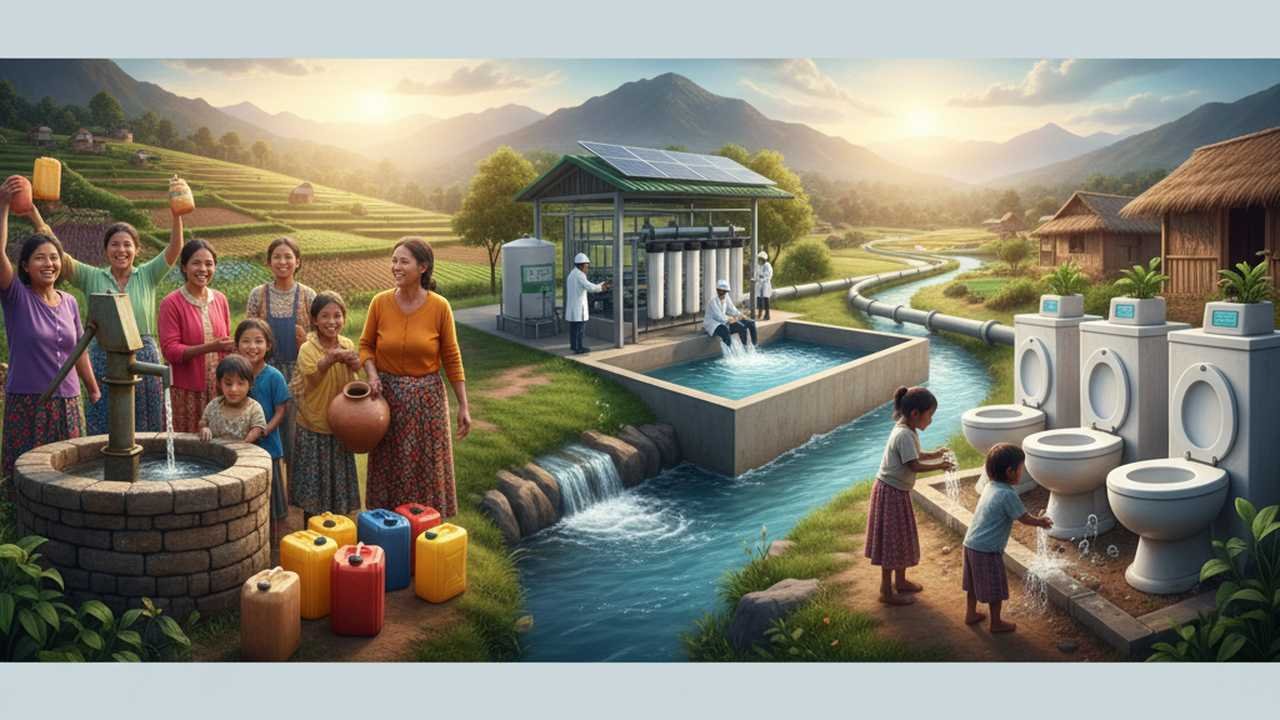
Imagine waking up each morning to the sound of running water, the promise of clean, safe drinking water at your fingertips. Now, picture a world where that simple luxury is a distant dream for over 4 billion people. This isn’t a dystopian future – it’s today’s reality. The global water crisis is not just a statistic; it’s a daily struggle for millions. But change is possible. With urgent action, innovative solutions, and collective will, we can turn the tide. The time to act is now.
The Stark Reality: A Global Crisis Unfolding
Across continents, from the bustling streets of Dhaka to the arid landscapes of sub-Saharan Africa, the lack of access to safe drinking water and sanitation is a silent epidemic. In 2025, over 4.4 billion people still lack access to safe household drinking water, and more than 1.5 billion live without basic sanitation facilities. These numbers aren’t just figures – they represent children unable to attend school due to waterborne illnesses, women and girls spending hours collecting water instead of pursuing education, and communities trapped in cycles of poverty and disease. The urgency to address this crisis cannot be overstated. Every day without action costs lives, futures, and hope.
Innovative Solutions: Turning the Tide with Technology
In the face of adversity, innovation shines as a beacon of hope. One such breakthrough is the Sato pan, a low-cost, hygienic toilet solution developed in Bangladesh. This simple yet effective design has transformed sanitation in over 45 countries, improving the lives of more than 68 million people. The Sato pan’s success lies in its affordability, ease of use, and ability to operate with minimal water, making it ideal for low-income communities. Such innovations demonstrate that with the right technology, we can overcome the barriers to safe sanitation and pave the way for healthier, more dignified lives.
Community-Led Initiatives: Empowering Local Action
True change begins at the grassroots level. Community-led initiatives have proven to be some of the most effective in improving access to safe water and sanitation. In Malawi, for instance, WaterAid’s installation of solar-powered water systems in rural villages has not only provided clean water but also empowered women and girls by reducing the time spent collecting water. This empowerment leads to increased school attendance, better health outcomes, and a stronger sense of community ownership. When communities are involved in the planning and implementation of water and sanitation projects, the results are more sustainable and impactful.
Education and Awareness: The First Step Towards Change
Education is a powerful tool in the fight against the water and sanitation crisis. Teaching communities about the importance of hygiene, proper sanitation practices, and the safe use of water can lead to significant improvements in health outcomes. Programs that educate children, especially girls, about these issues have a ripple effect, leading to healthier families and communities. Moreover, informed communities are more likely to advocate for their rights and demand better services, creating a cycle of positive change that extends beyond water and sanitation.
Global Partnerships: Uniting for a Common Cause
No single entity can solve the global water and sanitation crisis alone. It requires a concerted effort from governments, NGOs, the private sector, and individuals. The #TeamWater campaign, spearheaded by YouTubers MrBeast and Mark Rober, is a prime example of how global partnerships can make a tangible difference. By raising $40 million, the campaign has already provided over 6 million years of clean drinking water to people in need. This initiative underscores the power of collaboration and the impact that can be achieved when diverse sectors unite for a common cause.
Policy and Advocacy: Driving Systemic Change
While grassroots initiatives are crucial, systemic change is necessary to address the root causes of the water and sanitation crisis. Advocacy for policy reforms that prioritize water and sanitation infrastructure, especially in underserved areas, is essential. Governments must be held accountable for their commitments to the Sustainable Development Goals, particularly Goal 6, which aims to ensure availability and sustainable management of water and sanitation for all by 2030. Effective policy frameworks can mobilize resources, streamline efforts, and create an enabling environment for sustainable solutions.
Investing in the Future: Financing Water and Sanitation
Financial investment is a cornerstone of any strategy to improve access to safe water and sanitation. However, it’s not just about the amount of money invested but also how it’s allocated. Investments should focus on sustainable, inclusive solutions that consider the unique needs of different communities. Microfinance, for instance, can empower individuals to invest in their own sanitation facilities, leading to improved health and economic outcomes. Additionally, public-private partnerships can leverage resources and expertise to scale successful models and reach more people.
Monitoring and Accountability: Ensuring Progress
To ensure that efforts to improve access to safe water and sanitation are effective, robust monitoring and accountability mechanisms are essential. This involves tracking progress, identifying challenges, and making necessary adjustments to strategies. Transparency in reporting and the involvement of communities in monitoring processes can enhance accountability and ensure that interventions are meeting their intended goals. Moreover, sharing data and best practices can facilitate learning and replication of successful models in different contexts.
Call to Action: Your Role in the Global Movement
The water and sanitation crisis is not someone else’s problem – it’s ours. Each one of us has a role to play in driving change. Whether it’s through donating to reputable organizations, advocating for policy reforms, or spreading awareness, every action counts. The time to act is now. Don’t wait for someone else to make the first move. Join the movement to ensure that everyone, everywhere, has access to safe drinking water and sanitation. Together, we can turn the tide and create a world where clean water is a reality for all.
If you want to explore how cutting-edge solutions are transforming public health initiatives, Aequor Education offers valuable insights into innovative monitoring and response strategies.
If you want to enhance community resilience during crises, implementing atividades educativas infantil can play a crucial role in educating the younger population about safety measures.
If you want to ensure your community is ready for unexpected disasters, understanding the importance of a well-crafted Meta Title can be a vital first step in your emergency preparedness strategy.