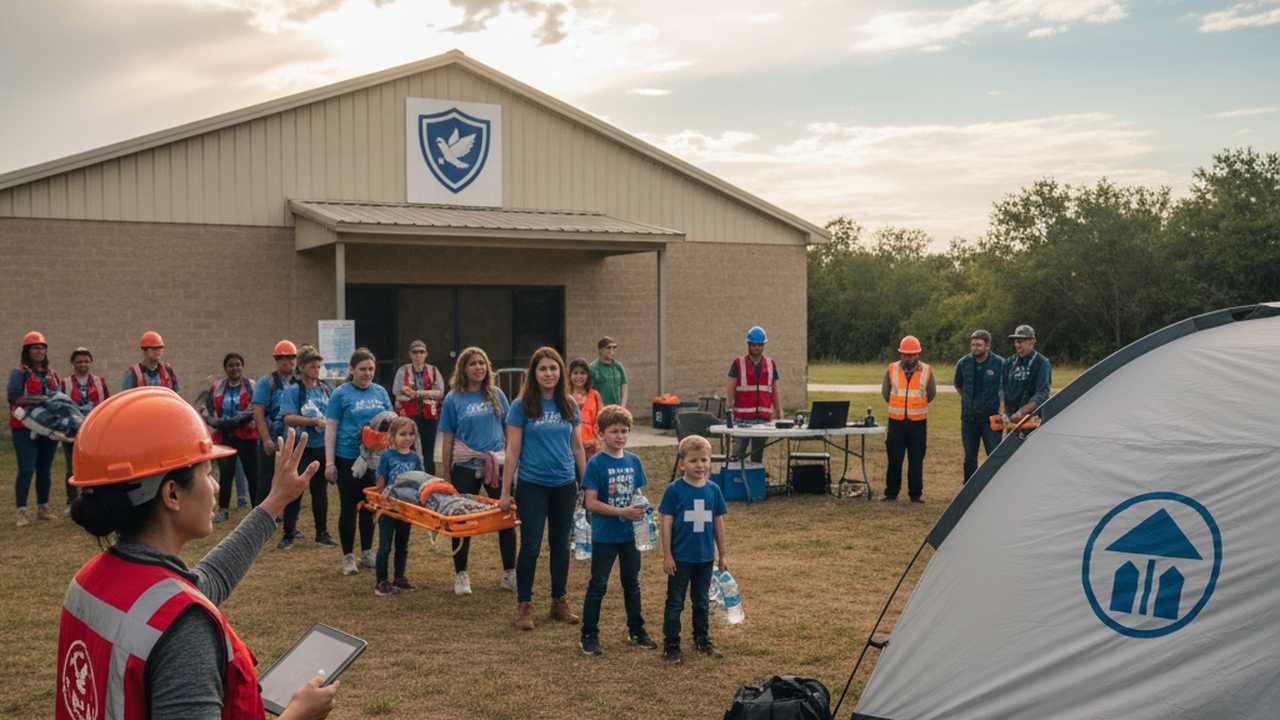
Emergencies strike without warning, leaving communities vulnerable and unprepared. The urgency to act now cannot be overstated – your safety, your family’s well-being, and your community’s resilience depend on it. This isn’t a drill; it’s a call to action. With climate change escalating natural disasters and global tensions heightening security risks, the window to prepare is rapidly closing. If you’re not ready, you’re already behind. Don’t wait until it’s too late – take control now.
Understanding the Urgency: Why Immediate Action is Crucial
Imagine the chaos of a sudden flood, a violent storm, or an unexpected power outage. Streets become rivers, homes turn into shelters, and the world as you know it is upended. In these moments, survival hinges on preparedness. Communities that have invested in emergency planning and safety measures fare better, recover faster, and save lives. The time to act is now – before the next crisis strikes. Don’t be caught unprepared; your future safety depends on the decisions you make today.
Building a Robust Emergency Plan: Your Blueprint for Survival
An emergency plan is more than a list – it’s your roadmap to safety. It should detail evacuation routes, communication strategies, and roles for each family member. Regularly practicing this plan ensures everyone knows their responsibilities and reduces panic during actual emergencies. Remember, a plan is only effective if it’s practiced and updated regularly. Don’t wait for a disaster to test your preparedness; act now to ensure your family’s safety.
Creating a Comprehensive Emergency Kit: Essentials You Can’t Afford to Miss
Your emergency kit is your lifeline when disaster strikes. It should include non-perishable food, water, first aid supplies, flashlights, batteries, and important documents. Tailor your kit to your family’s specific needs, including medications, baby supplies, and pet necessities. Store it in an easily accessible location and review its contents periodically. In times of crisis, having a well-stocked kit can make the difference between chaos and control.
Educating and Training: Empowering Your Community
Knowledge is power. Educate yourself and your community about potential risks and emergency procedures. Attend local workshops, participate in drills, and stay informed about hazards in your area. The more prepared your community is, the stronger your collective resilience becomes. Don’t wait for someone else to take the lead – be the change and inspire others to follow. Your proactive efforts can set a ripple effect of preparedness throughout your community.
Integrating Technology: Enhancing Communication and Coordination
In today’s digital age, technology plays a pivotal role in emergency preparedness. Utilize apps and online platforms to receive real-time alerts, coordinate with emergency services, and communicate with loved ones. Ensure that all family members are familiar with these tools and have access to necessary devices. Technology can bridge gaps and provide critical information when every second counts. Don’t let outdated methods hinder your safety – embrace the tools that can save lives.
Collaborating with Local Authorities: Strengthening Community Ties
Building strong relationships with local emergency services, schools, and community organizations enhances collective preparedness. Participate in community meetings, volunteer for local initiatives, and stay engaged with local authorities. A united community is a resilient community. Don’t isolate yourself – connect with others to build a network of support that can withstand any crisis.
Implementing Child-Focused Preparedness: Ensuring Safety for the Youngest
Children are particularly vulnerable during emergencies. Implement activities that educate them about safety procedures, such as creating emergency kits, practicing evacuation routes, and understanding emergency contacts. Schools and community centers can play a vital role in these initiatives. By preparing the youngest members of your community, you’re investing in a safer future for everyone. Don’t overlook the importance of child-focused preparedness – it’s an investment in your community’s resilience.
Evaluating and Updating Your Preparedness Plan: Staying Ahead of Emerging Threats
Emergencies evolve, and so should your preparedness plan. Regularly assess risks, update your emergency kit, and review your plan to incorporate new information and resources. Stay informed about emerging threats and adapt accordingly. Complacency is the enemy of safety – continually strive to improve and stay ahead of potential dangers. Your proactive approach today can prevent crises tomorrow.
Conclusion: Take Action Now to Safeguard Your Future
The time to prepare is now. Delaying action only increases vulnerability. By building a comprehensive emergency plan, creating a well-stocked kit, educating your community, leveraging technology, collaborating with local authorities, focusing on child preparedness, and regularly updating your strategies, you’re taking crucial steps toward ensuring safety during crises. Don’t wait for disaster to strike – act now to protect what matters most. Your future self will thank you for the decisions you make today.