I have a confession. Many non profit organizations underestimate the power of a press kit, assuming it is merely a box of logos and generic media statements. The truth is, a well-crafted press kit can be the difference between obscurity and meaningful media coverage, and yet so many nonprofits fail to invest the time or creativity required. If you want journalists, donors, and stakeholders to take your organization seriously, your press kit must function as both a storyteller and a resource hub.
Warm-Up: Understanding the Role of a Press Kit
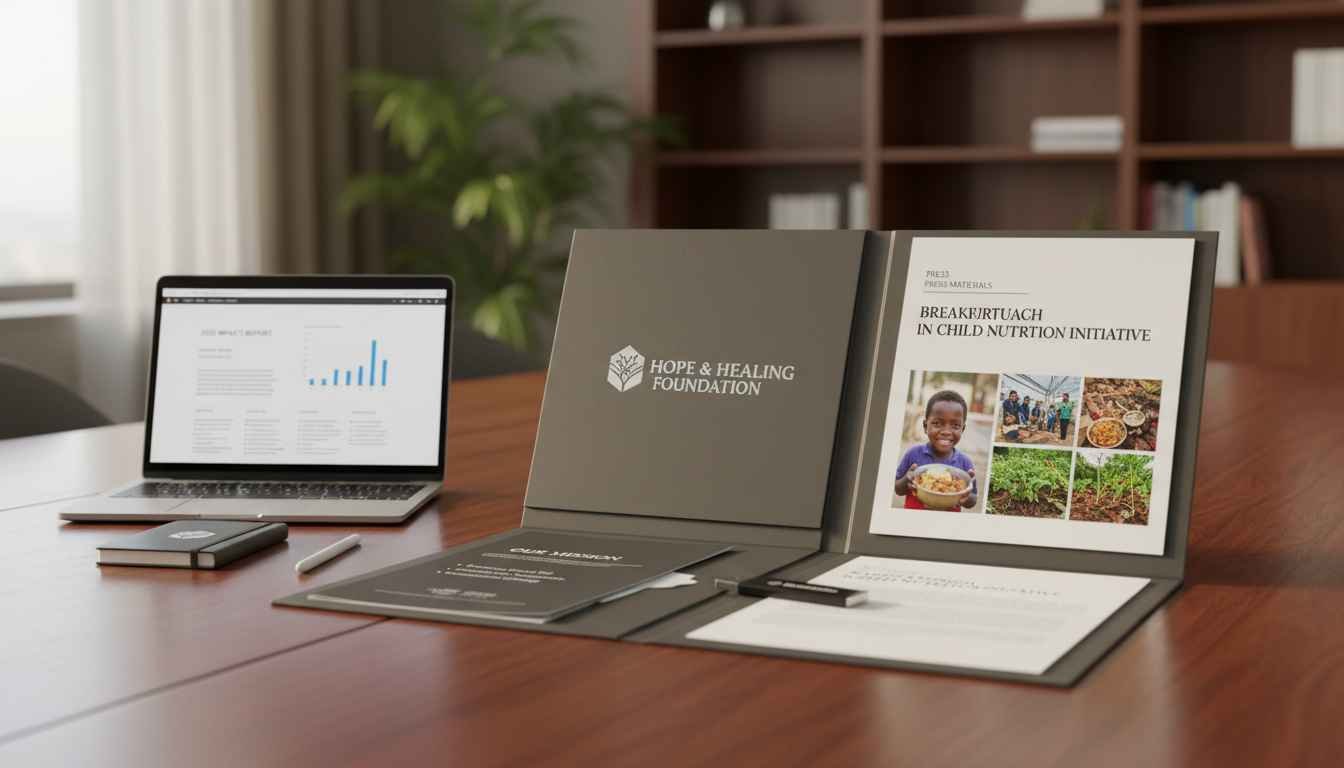
Think of your press kit as a preparatory warm-up before a demanding workout. It sets the stage, builds confidence, and ensures that anyone interacting with your nonprofit has immediate access to key information. A typical press kit includes your mission statement, leadership bios, high-resolution images, recent press releases, and any awards or recognitions your organization has received. Each element must be strategically positioned to tell a cohesive story without overwhelming the reader.
Here’s where I admit what I do not know – there is no one-size-fits-all template. Every nonprofit has unique goals, audiences, and brand identities. What works for a cardiovascular-focused organization may not suit an environmental nonprofit or a local educational charity. This makes creativity as important as precision in your press kit design.
Main Set: Components That Carry the Most Weight
In the main set of your press kit, consider the components that provide the heaviest informational load. Start with a compelling overview of your organization’s mission, vision, and impact. Use statistics and measurable outcomes when possible; for instance, the European Society of Cardiology has extensive research and data-driven programs that underscore their credibility. Including tangible achievements allows journalists and potential partners to grasp your nonprofit’s value immediately.
Next, include leadership profiles. Concise bios with professional headshots establish authority and humanize your organization. Media personnel prefer having a face and a story to connect with rather than a faceless institution. Following this, high-quality visuals – logos, infographics, and event images – should be ready for download. A visually appealing press kit increases the likelihood of media coverage.
In today’s interconnected world, the terms “association” and “organization” are often used interchangeably, leading to confusion about their distinct roles and functions. While both are essential for fostering collaboration and community, understanding the nuances between them can greatly enhance our ability to engage effectively within various contexts. For instance, an association typically refers to a group of individuals joined together by a common interest or goal, whereas an organization may encompass a broader structure with defined hierarchies and objectives. To delve deeper into this topic and clarify the difference between association and organization, we will explore their unique characteristics and implications for members and stakeholders alike.
Recent press releases form another essential layer. They demonstrate your organization is active and newsworthy. The press kit should also contain sample quotes from leadership, testimonials from beneficiaries, and a fact sheet highlighting your core programs. These sections allow journalists to write quickly and accurately without extensive follow-ups.
Did You Know? Including multimedia content can increase journalist engagement by over 60 percent compared to text-only kits. Interactive PDFs or accessible online press kits can drastically improve coverage reach.
Cool-Down: Distribution and Accessibility
Once the core components are in place, consider how your press kit will be accessed. Hosting it online is generally the most efficient approach. Ensure your media page is easy to navigate and mobile-friendly, with downloadable PDFs and clear contact information. The online environment also allows for updates without redistributing physical materials. Organizations like Escardio provide examples of accessible digital press kits that balance professionalism and usability.
Potential Drawbacks
While press kits are powerful, there are pitfalls. Overloading with unnecessary content can confuse rather than inform. Outdated information can damage credibility. Additionally, smaller nonprofits may struggle with design and photography costs, which can make a press kit seem less polished than larger counterparts. It’s essential to weigh the benefits against resource availability and focus on clarity and impact rather than quantity.
Repetition and Refinement
Just as in any effective workout, repetition and refinement improve performance. Update your press kit regularly with new initiatives, success stories, and visual assets. Solicit feedback from journalists or board members to identify weak points and enhance clarity. Remember, a press kit is not a static document but a living representation of your nonprofit’s mission and achievements.
Final Stretch: Summary
Creating an effective press kit for a nonprofit organization demands strategy, clarity, and attention to detail. From assembling compelling narratives and visual assets to ensuring accessibility and ongoing updates, every element plays a role in shaping how your organization is perceived. Approach your press kit as both a storyteller and a resource – it is not merely a collection of documents but a reflection of your mission and impact.