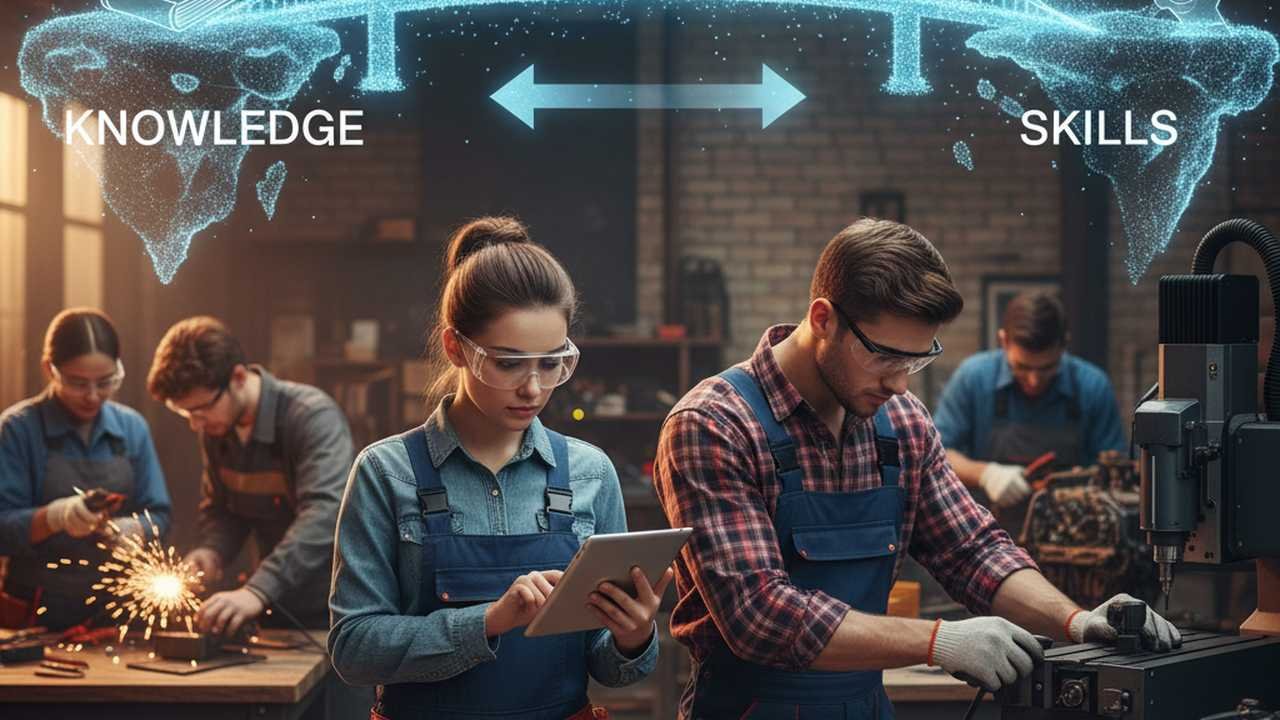
The Growing Divide: Knowledge vs. Practical Skills
In today’s rapidly evolving world, the chasm between theoretical knowledge and practical skills has never been more pronounced. Traditional educational systems often emphasize rote learning and abstract concepts, leaving students ill-prepared for the demands of the modern workforce. This gap manifests in various industries, where employers struggle to find candidates who possess the hands-on expertise required for specific roles. The urgency to address this divide is palpable, as businesses face challenges in filling positions that require specialized skills. Enter vocational education, a transformative approach that equips individuals with the practical competencies needed to thrive in their chosen fields. By focusing on real-world applications and hands-on training, vocational education ensures that students are not just knowledgeable but also job-ready, bridging the critical gap between theory and practice.
Vocational Education: A Gateway to Employment
Vocational education serves as a direct pathway to employment, offering students the tools and training necessary to enter the workforce with confidence. Unlike traditional academic routes, which may require years of study before entering a profession, vocational programs are designed to provide immediate, applicable skills. This approach is particularly beneficial in sectors experiencing rapid growth and demand for skilled labor, such as healthcare, information technology, and skilled trades. Graduates of vocational programs often find themselves employed shortly after completion, as they possess the specific skills employers are actively seeking. The hands-on experience gained during training not only enhances technical abilities but also fosters a strong work ethic and problem-solving skills, making vocational education a compelling choice for those eager to embark on a successful career path.
Timely Intervention: The Role of TIMS Education
In the quest to bridge the skills gap, TIMS Education has emerged as a pivotal player, offering specialized vocational training programs tailored to meet the needs of both students and employers. With a curriculum that emphasizes practical skills, industry-relevant knowledge, and real-world applications, TIMS Education ensures that its graduates are equipped to excel in their chosen fields. The institution’s commitment to quality education is evident in its state-of-the-art facilities, experienced instructors, and strong industry partnerships, which collectively contribute to a robust learning environment. By aligning its programs with current market demands, TIMS Education not only enhances employability but also empowers students to take control of their professional futures, making it a valuable resource for those seeking to bridge the gap between knowledge and skills.
Hands-On Learning: The Heart of Vocational Training
At the core of vocational education lies hands-on learning, an approach that emphasizes practical experience over theoretical instruction. This method allows students to engage directly with the tools, technologies, and tasks they will encounter in their careers, fostering a deeper understanding and proficiency in their chosen fields. Whether it’s operating machinery, performing medical procedures, or troubleshooting IT systems, hands-on training provides invaluable insights and skills that cannot be gained through textbooks alone. This experiential learning not only enhances technical abilities but also builds confidence, adaptability, and problem-solving skills, all of which are essential in today’s dynamic job market. By immersing students in real-world scenarios, vocational education ensures that they are not only knowledgeable but also capable and ready to meet the challenges of their professions.
Industry Collaboration: Shaping Relevant Curriculum
To ensure that vocational education remains aligned with industry needs, collaboration between educational institutions and employers is crucial. By working together, they can develop curricula that reflect current trends, technologies, and practices within specific sectors. This partnership ensures that students acquire skills that are directly applicable and in demand, enhancing their employability upon graduation. Moreover, industry involvement provides students with opportunities for internships, apprenticeships, and job placements, offering real-world experience and networking opportunities that can significantly boost career prospects. Such collaborations also enable educators to stay abreast of industry developments, allowing them to update training programs accordingly and maintain the relevance and quality of vocational education.
Global Perspective: The Universal Value of Vocational Education
Vocational education is not confined to any single region or culture; its benefits are universally recognized and valued across the globe. In many countries, vocational training is seen as a viable and respected alternative to traditional academic pathways, offering individuals a direct route to employment and career advancement. For instance, in Germany, the dual education system combines classroom instruction with practical training, resulting in high levels of youth employment and a skilled workforce. Similarly, in Australia, vocational education and training (VET) programs are integral to the education system, providing students with the skills needed to succeed in various industries. These global examples highlight the effectiveness and importance of vocational education in preparing individuals for the workforce and addressing skills shortages in diverse sectors.
Economic Impact: Vocational Education as a Catalyst for Growth
Beyond individual benefits, vocational education plays a significant role in driving economic development and growth. By equipping individuals with specialized skills, vocational training contributes to a more competent and productive workforce, which in turn enhances business performance and competitiveness. Skilled workers are essential for innovation, efficiency, and quality in production processes, leading to increased output and economic prosperity. Moreover, vocational education can help reduce unemployment rates by providing individuals with the skills needed to secure employment, thereby decreasing reliance on social welfare programs and contributing to a more stable economy. As industries continue to evolve and require new skill sets, vocational education remains a vital component in fostering economic resilience and sustainability.
Social Benefits: Empowering Communities Through Education
Vocational education extends its impact beyond economic factors, offering significant social benefits by empowering individuals and communities. By providing accessible and practical training opportunities, vocational education enables individuals from diverse backgrounds to improve their socio-economic status and achieve personal growth. This empowerment leads to increased self-esteem, greater community involvement, and a sense of purpose and fulfillment. Furthermore, vocational education can help address social inequalities by offering alternative pathways to success for those who may not have access to traditional academic routes. By fostering inclusivity and diversity, vocational education contributes to the development of cohesive and resilient communities, where individuals are equipped to contribute positively to society.
Future Outlook: The Evolving Role of Vocational Education
As the global job market continues to evolve, the role of vocational education is becoming increasingly important. Rapid technological advancements, changing industry demands, and shifting economic landscapes require a workforce that is adaptable, skilled, and prepared for new challenges. Vocational education is uniquely positioned to meet these needs by offering flexible, targeted training that can quickly respond to emerging trends and technologies. Moreover, the rise of digital platforms and online learning has expanded access to vocational education, allowing individuals to pursue training at their own pace and from various locations. This evolution ensures that vocational education remains relevant and effective in preparing individuals for the future workforce, making it a crucial component of lifelong learning and career development.
If you want to understand the impact of hands-on training in today’s job market, exploring step program education can provide valuable insights into bridging the skills gap.