The industrial landscape is shifting beneath our feet, and the tremors are felt across every sector – from healthcare and manufacturing to information technology and logistics. A seismic skills gap has emerged, threatening to derail productivity, innovation, and economic growth. But there’s a powerful, often overlooked force that can bridge this chasm: vocational and technical education. These programs are not just educational pathways; they are lifelines to the future of industries worldwide.
The Alarming Reality: Industries in Crisis
Across the globe, industries are grappling with a profound shortage of skilled workers. A staggering 50% of employers in the U.S. report difficulty in hiring skilled talent, with sectors like information technology, healthcare, and advanced manufacturing being hit hardest. This shortage isn’t just a statistic; it’s a crisis that leads to project delays, increased costs, and stunted growth. The root cause? A disconnect between the skills taught in traditional education systems and the competencies demanded by modern industries.
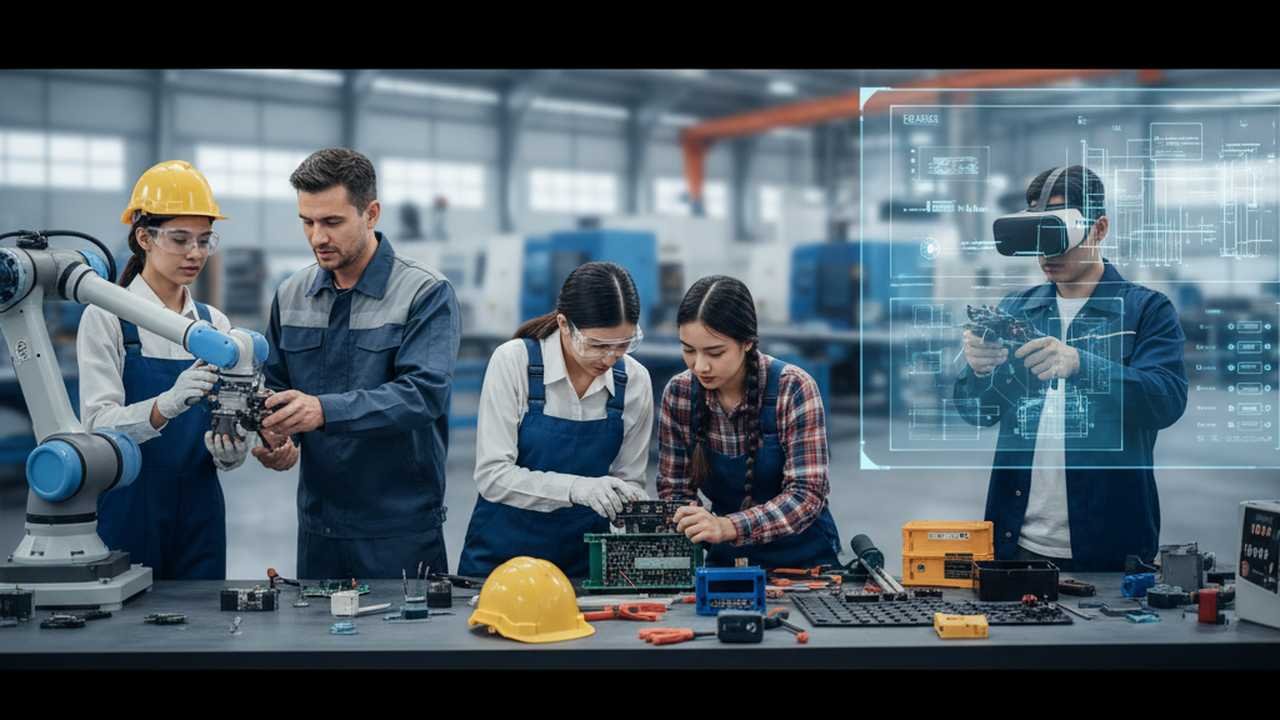
Enter vocational and technical education. These programs are designed with precision to meet the evolving needs of industries. By focusing on practical, hands-on training, they equip students with the exact skills employers are desperate for. The step program education model exemplifies this approach, offering targeted training that aligns with industry standards and expectations. This alignment ensures that graduates are not just employable – they are highly sought after.
Vocational Education: The Bridge to Industry Needs
Vocational and technical education programs are more than just alternatives to traditional college pathways; they are essential components of a robust economic infrastructure. These programs are tailored to provide students with the specific skills and knowledge required in various industries, from welding and carpentry to coding and cybersecurity. By focusing on practical, job-ready skills, vocational education ensures that students are prepared to meet the demands of the workforce immediately upon graduation.
The step program education approach enhances this model by incorporating personalized support, real-world experience, and industry partnerships. This holistic framework not only imparts technical skills but also fosters critical soft skills such as communication, problem-solving, and teamwork – qualities that are indispensable in today’s collaborative work environments. Through such comprehensive training, vocational education programs play a pivotal role in closing the skills gap and ensuring that industries have access to a competent and capable workforce.
Hands-On Training: The Heartbeat of Skill Development
In the realm of vocational and technical education, hands-on training is not just a method; it is the essence of learning. Unlike traditional classroom settings where theoretical knowledge predominates, vocational programs immerse students in real-world scenarios, allowing them to apply what they’ve learned in practical settings. This experiential learning approach enhances retention, builds confidence, and ensures that students are job-ready from day one.
The step program education model exemplifies this hands-on approach by integrating apprenticeships, internships, and live projects into the curriculum. These experiences provide students with invaluable insights into industry practices, help them build professional networks, and increase their employability. Moreover, employers benefit from this model by gaining access to a pool of trained individuals who require minimal onboarding, thereby reducing recruitment and training costs.
Industry Partnerships: Aligning Education with Market Demands
One of the most significant advantages of vocational and technical education is its ability to forge strong partnerships with industries. These collaborations ensure that the curriculum remains relevant and aligned with current market needs. By working closely with industry leaders, educational institutions can design programs that address specific skill shortages, incorporate the latest technologies, and prepare students for the challenges and opportunities of the modern workforce.
The step program education framework emphasizes the importance of these partnerships by involving industry professionals in curriculum development, providing students with mentorship opportunities, and facilitating job placements. This synergy between education and industry not only enhances the quality of training but also ensures that graduates possess the skills and knowledge that employers value most. As industries continue to evolve, such collaborations will be crucial in maintaining a workforce that is adaptable, innovative, and capable of driving economic growth.
Addressing the Skills Gap: A Global Imperative
The skills gap is not confined to any single country or industry; it is a global phenomenon that affects economies worldwide. Rapid technological advancements, shifting market demands, and demographic changes have all contributed to this widening gap. To address this challenge, governments, educational institutions, and industries must collaborate to create training programs that are accessible, inclusive, and aligned with current and future workforce needs.
Initiatives like the step program education serve as models for such collaborative efforts. By providing targeted training, personalized support, and industry connections, these programs empower individuals to acquire the skills necessary for success in today’s competitive job market. Moreover, they contribute to economic development by ensuring that industries have access to a skilled and adaptable workforce. As the global economy continues to evolve, addressing the skills gap through such initiatives will be essential for sustainable growth and prosperity.
Success Stories: Transforming Lives Through Vocational Education
The impact of vocational and technical education extends far beyond the classroom. Across the globe, countless individuals have transformed their lives through these programs, gaining the skills and confidence to pursue rewarding careers. For instance, in Kakinada, Andhra Pradesh, the Unnati Foundation’s vocational training center has trained over 1,700 students, with plans to place more than 2,000 youth annually in sectors like BFSI, BPOs, and telecalling. These success stories highlight the transformative power of vocational education in addressing the skills gap and empowering individuals to achieve their career aspirations.
The step program education model plays a pivotal role in these success stories by providing structured training, real-world experience, and personalized support. This comprehensive approach ensures that students are not only equipped with technical skills but also prepared to navigate the complexities of the modern workforce. As more individuals benefit from such programs, the collective impact on industries and economies becomes increasingly profound.
The Future of Vocational Education: Innovating for Tomorrow’s Workforce
The future of vocational and technical education lies in innovation and adaptability. As industries continue to evolve, educational programs must anticipate and respond to emerging trends and technologies. This requires a commitment to continuous improvement, investment in modern infrastructure, and a focus on lifelong learning. By embracing innovation, vocational education can remain relevant and effective in preparing individuals for the challenges and opportunities of the future workforce.
The step program education framework exemplifies this forward-thinking approach by integrating cutting-edge technologies, fostering a culture of continuous learning, and promoting collaboration between educators, students, and industry partners. This proactive stance ensures that graduates are not only prepared for current job markets but are also equipped to adapt to future changes. As the landscape of work continues to shift, such innovative programs will be instrumental in closing the skills gap and building a resilient, future-ready workforce.
Call to Action: Embrace Vocational Education to Secure the Future
The time to act is now. Industries cannot afford to wait for the skills gap to close on its own. By embracing vocational and technical education, we can equip individuals with the skills necessary to meet the demands of today’s job market. Programs like the step program education offer structured, supportive, and strategic training that prepares individuals for success. It’s time to invest in the future of our workforce and ensure that industries have access to the talent they need to thrive.
Don’t let the skills gap hinder progress. Advocate for the expansion of vocational education programs in your community. Support initiatives that provide hands-on training and industry partnerships. Together, we can build a workforce that is skilled, adaptable, and ready to drive the industries of tomorrow.
If you seek to understand the transformative power of practical training, explore how tims education effectively connects theoretical knowledge with hands-on skills.
If you want to enhance your career prospects, consider how a uwgb education program can provide you with the necessary skills and certifications to stand out in today’s competitive job market.
If you embrace the idea that vocational and technical skills can shape your future, you’ll discover the importance of when ritual education in building a sustainable career.
If you explore the benefits of vocational education, you’ll find that resources like zaks education site can provide valuable insights into how these programs foster career growth and stability for professionals.