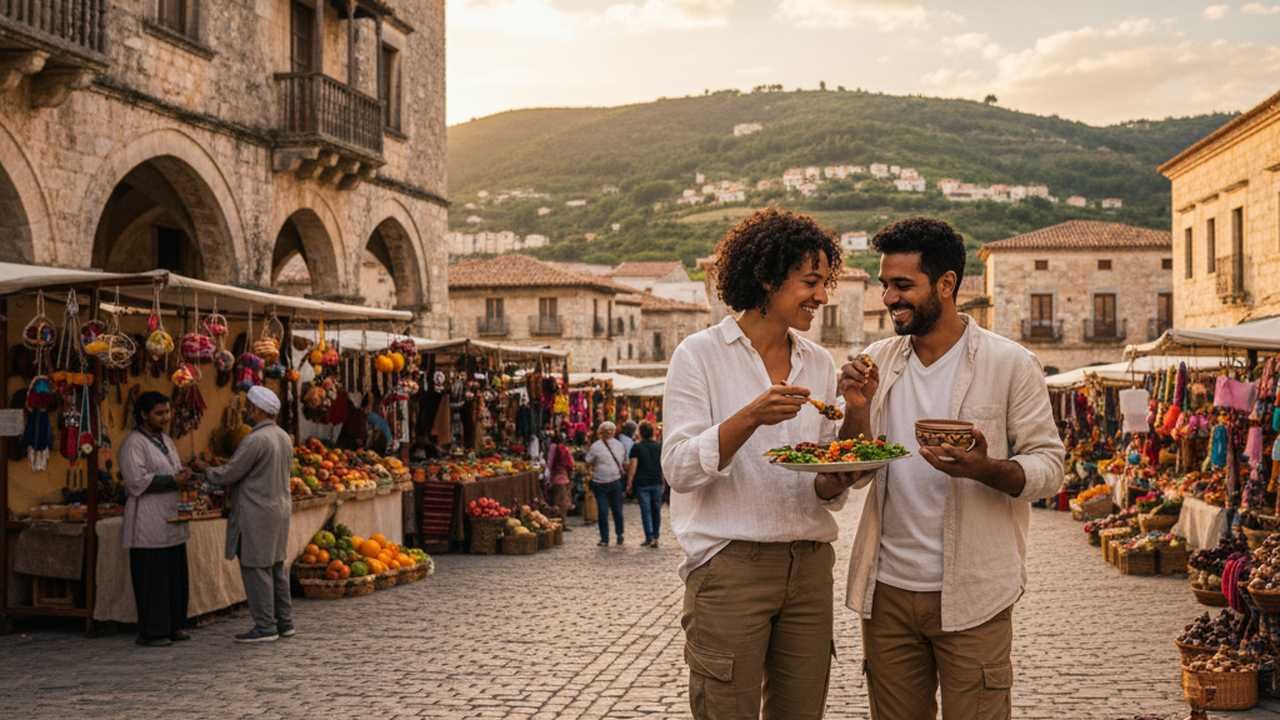
Imagine stepping off the plane, the warm breeze of a foreign land brushing against your skin, the tantalizing aroma of street food filling the air, and the vibrant colors of a bustling market unfolding before your eyes. This isn’t just travel; it’s an immersion into the heart of a culture, a journey that transcends the ordinary and touches the soul. But how do you ensure that every travel and food experience you embark upon is not only authentic but also enriching? The answer lies in a deep, intentional approach that blends curiosity, respect, and a willingness to learn.
1. Embrace Cultural Immersion: Go Beyond the Tourist Trail
To truly experience a destination, you must move beyond the typical tourist attractions. Seek out local neighborhoods, engage with residents, and participate in community events. This approach allows you to witness daily life firsthand, offering insights that guidebooks often overlook. For instance, in the heart of Bangkok, instead of visiting the crowded tourist markets, venture into the lesser-known alleys where local vendors sell handcrafted goods and traditional snacks. Here, you can converse with artisans about their craft, gaining a deeper appreciation for the culture.
Similarly, in the coastal towns of Italy, rather than dining at tourist-heavy restaurants, consider joining a cooking class with a local chef. Learn to prepare regional dishes using ingredients sourced from nearby farms. This hands-on experience not only teaches you culinary skills but also connects you to the land and its traditions, making the meal you share even more meaningful.
2. Savor Authentic Flavors: Eat Like a Local
Food is a gateway to understanding a culture. The flavors, ingredients, and cooking methods tell stories of history, geography, and tradition. To truly taste a place, step away from international chains and seek out family-owned eateries, food stalls, and local markets. In Mexico City, for example, the bustling Mercado de la Merced offers an array of fresh produce, spices, and street food. Here, you can sample tamales made from recipes passed down through generations, each bite rich with history.
Participating in food tours can also enhance your culinary journey. These tours often include visits to hidden gems and provide context about the dishes and their significance. In Marrakech, a guided food tour through the Medina introduces you to traditional Moroccan dishes like tagine and pastilla, while a local guide shares stories about their origins and cultural importance. Such experiences transform eating into an educational adventure.
3. Learn the Language: Unlock Deeper Connections
While English is widely spoken in many tourist destinations, learning a few phrases in the local language can significantly enrich your experience. Simple greetings, expressions of gratitude, and polite inquiries can open doors to more authentic interactions. In Japan, for instance, attempting to speak Japanese, even at a basic level, is often met with appreciation and can lead to warmer exchanges with locals.
Language is not just a tool for communication; it’s a bridge to understanding. It reflects the nuances of a culture, its values, and its worldview. By making an effort to learn the language, you demonstrate respect and a genuine interest in the culture, which can lead to more meaningful and enriching experiences.
4. Participate in Local Traditions and Festivals
Festivals and traditions are windows into the soul of a culture. They showcase the community’s values, beliefs, and artistic expressions. Participating in these events allows you to experience the culture in its most vibrant form. In India, the festival of Diwali lights up the country with fireworks, sweets, and family gatherings. Joining in the celebrations, sharing in the joy, and understanding the significance of the rituals can provide profound insights into Indian culture.
Similarly, in Spain, attending the Running of the Bulls in Pamplona offers a glimpse into the country’s deep-rooted traditions. While the event is exhilarating, it’s also steeped in history and cultural significance. Engaging with locals about the origins and customs surrounding the event can deepen your appreciation and understanding.
5. Support Sustainable and Ethical Tourism
As travelers, we have a responsibility to ensure that our presence benefits the destinations we visit. Supporting sustainable and ethical tourism practices helps preserve local cultures, economies, and environments. Choose accommodations and tour operators that prioritize sustainability, respect for local communities, and environmental conservation.
For example, staying in eco-friendly lodges that use renewable energy and support local artisans ensures that your travel dollars contribute positively to the community. Participating in tours that educate you about conservation efforts, such as wildlife protection programs in Africa, allows you to enjoy nature while supporting its preservation. Ethical tourism ensures that travel remains a force for good, benefiting both travelers and the destinations they visit.
6. Engage with Local Art and Craftsmanship
Art and craftsmanship are reflections of a community’s identity and creativity. Visiting local galleries, workshops, and artisan shops provides insight into the cultural fabric of a place. In Bali, for instance, exploring the art villages of Ubud reveals intricate wood carvings, vibrant paintings, and traditional textiles, each piece telling a story of Balinese heritage.
Engaging with artisans, learning about their techniques, and understanding the cultural significance of their work fosters a deeper connection to the place. Purchasing handmade items not only supports local artists but also allows you to take home a tangible piece of the culture, serving as a reminder of your enriching experience.
7. Reflect and Share Your Experiences
After immersing yourself in a new culture, take time to reflect on your experiences. Journaling, blogging, or creating photo albums can help you process your journey and preserve memories. Sharing your stories with friends, family, or online communities not only keeps the experiences alive but also encourages others to embark on their own authentic adventures.
Reflection deepens understanding and appreciation. It allows you to recognize the lessons learned, the connections made, and the personal growth achieved. By sharing your experiences, you inspire others to approach travel with intention and respect, fostering a community of mindful and enriching travelers.
8. Pursue Education in Hospitality and Tourism
For those passionate about travel and cultural exchange, pursuing a secondary degree in hospitality and tourism can provide the knowledge and skills to create enriching experiences for others. Programs in this field cover areas such as destination marketing, sustainable tourism, and cultural heritage management, preparing graduates to work in various roles within the industry.
Institutions like the NYU School of Professional Studies offer Bachelor’s degrees in Hospitality, Travel, and Tourism Management, equipping students with hands-on experience and industry connections. Graduates can pursue careers in hotel management, event planning, and tourism development, contributing to the creation of authentic and enriching travel experiences for others.
Investing in education in this field not only enhances your own travel experiences but also enables you to make a positive impact on the tourism industry, promoting sustainable practices and cultural appreciation.