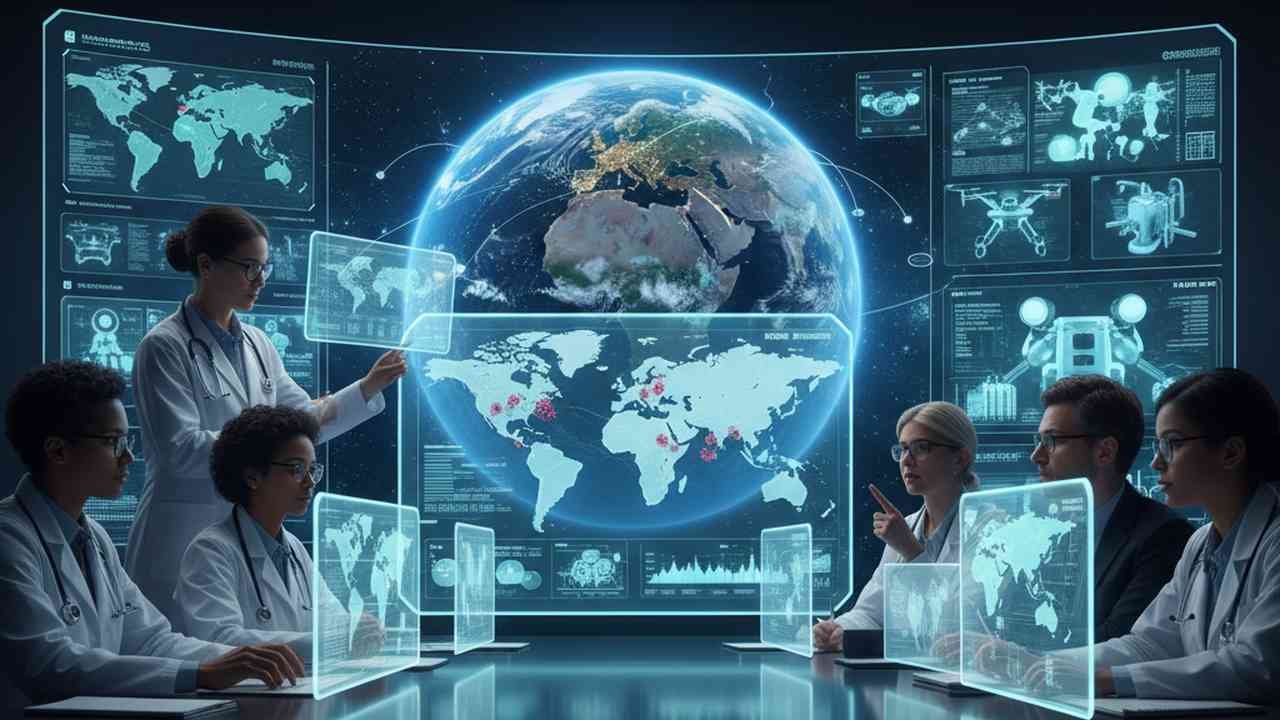
In an era where health threats can emerge without warning, the urgency to act swiftly and decisively has never been more critical. The convergence of advanced technologies is reshaping how we monitor, detect, and respond to public health crises. From artificial intelligence to wearable devices, the tools at our disposal are not just enhancing our capabilities – they’re revolutionizing them. And at the forefront of this transformation is Aequor Education, a company dedicated to integrating cutting-edge technology into public health education and response strategies.
The Digital Revolution in Public Health Surveillance
Gone are the days when public health monitoring relied solely on traditional methods like manual reporting and sporadic data collection. Today, digital technologies enable real-time surveillance, providing health officials with immediate access to critical information. Systems like the CDC’s National Syndromic Surveillance Program utilize artificial intelligence to analyze emergency department data, detecting potential outbreaks faster than ever before. This shift not only accelerates response times but also enhances the accuracy of threat detection, allowing for more targeted interventions.
Moreover, platforms such as the WHO’s EIOS (Event Information System for Surveillance) harness open-source intelligence, scouring vast amounts of publicly available data to identify emerging health threats. By integrating these technologies, public health agencies can anticipate potential crises and mobilize resources proactively, rather than reactively. This proactive approach is essential in a world where health threats can escalate rapidly, underscoring the importance of staying ahead of potential outbreaks.
Wearable Technology: A Game Changer in Health Monitoring
Imagine a world where your health status is continuously monitored, providing instant feedback and early warnings of potential issues. Wearable devices have made this a reality. These gadgets, ranging from smartwatches to specialized medical monitors, track vital signs like heart rate, blood oxygen levels, and body temperature in real time. This continuous stream of data offers healthcare providers unprecedented insight into an individual’s health, enabling timely interventions before conditions worsen.
For instance, during the COVID-19 pandemic, wearable technology played a pivotal role in monitoring symptoms and detecting early signs of infection. Devices that measured temperature fluctuations and respiratory rates helped in identifying potential cases, even before individuals exhibited noticeable symptoms. This capability was crucial in curbing the spread of the virus, highlighting the significant impact wearable technology can have in public health monitoring.
Artificial Intelligence: Enhancing Predictive Capabilities
Artificial intelligence (AI) is no longer a futuristic concept – it’s actively shaping the landscape of public health response. AI algorithms analyze complex datasets, identifying patterns and predicting potential outbreaks with remarkable accuracy. This predictive capability allows health agencies to allocate resources efficiently, implement preventive measures, and prepare for potential health crises before they fully materialize.
For example, AI-driven models have been instrumental in forecasting the spread of infectious diseases, enabling timely interventions that can mitigate widespread outbreaks. By processing vast amounts of data from various sources, AI provides a comprehensive view of potential health threats, empowering decision-makers with the information needed to act swiftly and effectively.
Data Integration: Connecting the Dots in Public Health
The integration of diverse data sources is crucial in forming a complete picture of public health. By combining information from electronic health records, laboratory results, and environmental data, public health agencies can gain a holistic understanding of health trends and potential threats. This integrated approach facilitates more accurate risk assessments and enhances the effectiveness of response strategies.
Platforms like DHIS2 exemplify the power of data integration. Used in over 70 countries, DHIS2 consolidates health data from various sectors, providing a unified platform for analysis and decision-making. This integration not only streamlines operations but also ensures that health interventions are based on comprehensive, up-to-date information, leading to more effective outcomes.
Mobile Health Applications: Empowering Individuals
Mobile health applications have democratized access to health information, empowering individuals to take control of their well-being. These apps offer a range of functionalities, from symptom tracking to medication reminders, providing users with tools to manage their health proactively. Additionally, many apps enable users to share their health data with healthcare providers, fostering a collaborative approach to health management.
During health emergencies, mobile health applications serve as vital communication channels, disseminating important information and guidelines to the public. They also facilitate contact tracing and reporting, aiding in the containment of infectious diseases. The widespread adoption of these apps has proven instrumental in managing public health crises, underscoring their value in modern health response strategies.
Blockchain Technology: Ensuring Data Security and Integrity
In the digital age, safeguarding health data is paramount. Blockchain technology offers a solution by providing a secure and transparent method for recording transactions. In public health, blockchain can be utilized to maintain the integrity of health data, ensuring that information is accurate, unaltered, and accessible only to authorized individuals.
Implementing blockchain in health data management enhances trust among stakeholders, from patients to healthcare providers. It also facilitates compliance with regulations and standards, ensuring that data handling practices meet the highest levels of security and privacy. As health data breaches become increasingly common, adopting blockchain technology is a proactive step toward protecting sensitive health information.
Telemedicine: Bridging Gaps in Healthcare Access
Telemedicine has revolutionized healthcare delivery, especially in underserved and remote areas. By leveraging digital platforms, healthcare providers can offer consultations, diagnoses, and treatment plans without the need for in-person visits. This approach not only expands access to healthcare services but also reduces the burden on healthcare facilities, allowing them to focus resources on critical cases.
During the COVID-19 pandemic, telemedicine proved invaluable in maintaining continuity of care while minimizing the risk of virus transmission. Patients could receive medical advice and prescriptions from the safety of their homes, ensuring that healthcare needs were met without compromising public health. The success of telemedicine during this period has led to its continued integration into healthcare systems worldwide.
Education and Training: Building Capacity for the Future
As technology continues to evolve, so must the skills of the workforce responsible for public health. Education and training programs are essential in equipping professionals with the knowledge and expertise needed to utilize new technologies effectively. Institutions like Aequor Education are at the forefront of this initiative, offering specialized programs that integrate technology into public health education.
These programs focus on developing competencies in areas such as data analysis, digital health tools, and emergency response strategies. By fostering a tech-savvy workforce, public health agencies can ensure that they are prepared to leverage technological advancements to their fullest potential, enhancing their ability to respond to health threats efficiently and effectively.
Global Collaboration: Strengthening Public Health Systems Worldwide
Public health threats are not confined by borders; they are global challenges that require coordinated responses. International collaboration is crucial in enhancing the effectiveness of public health monitoring and response. Initiatives like the Global Outbreak Alert and Response Network (GOARN) facilitate the sharing of information, resources, and expertise among countries, enabling a unified approach to health crises.
Through these collaborative efforts, nations can learn from each other’s experiences, share best practices, and provide mutual support during health emergencies. This collective approach strengthens global health systems, ensuring a more resilient and unified response to public health threats.
The integration of technology into public health monitoring and response strategies is not just an advancement – it’s a necessity. As health threats become more complex and widespread, the tools and systems we rely on must evolve accordingly. Embracing digital innovations ensures that we are prepared to face these challenges head-on, safeguarding the health and well-being of communities worldwide.
To stay ahead of emerging health threats, it’s imperative to invest in technology-driven solutions and continuous education. Platforms like Aequor Education offer valuable resources and training programs that can enhance your understanding and application of these technologies. Don’t wait for the next health crisis to act – equip yourself with the knowledge and tools needed to make a difference today.
If you seek innovative solutions to global water and sanitation challenges, exploring william fichtner education can provide valuable insights into effective strategies and community engagement.