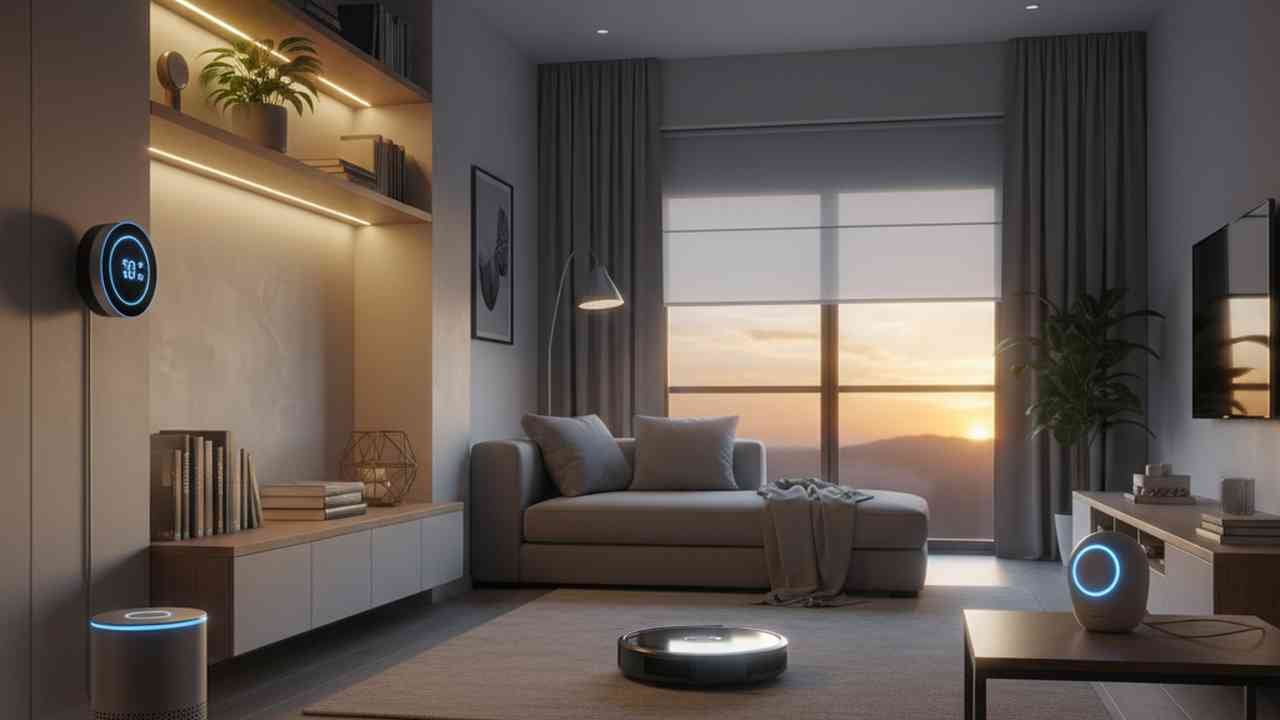
Imagine stepping into your home after a long day, and the lights gently illuminate your path, the thermostat adjusts to your preferred temperature, and your favorite playlist begins to play – all without lifting a finger. This isn’t a scene from a futuristic movie; it’s the reality of today’s smart homes. With the rapid advancement of technology, smart home devices have become integral in transforming ordinary houses into intelligent, efficient living spaces. These devices not only enhance convenience but also contribute to significant energy savings and improved security. In this article, we delve into how smart home devices are revolutionizing the way we live, making homes smarter and more efficient.
The Rise of Smart Home Technology
The concept of a smart home has evolved from a mere idea to a tangible reality, thanks to the proliferation of Internet of Things (IoT) devices. Smart home technology encompasses a wide range of devices that connect to the internet, allowing homeowners to control and monitor various aspects of their homes remotely. From smart thermostats that learn your heating and cooling preferences to intelligent lighting systems that adjust based on occupancy, these devices offer unparalleled convenience and efficiency. The integration of AI and machine learning further enhances their capabilities, enabling predictive behaviors that anticipate your needs before you even express them.
One of the primary drivers behind the adoption of smart home technology is the desire for energy efficiency. With rising energy costs and growing environmental concerns, homeowners are increasingly seeking ways to reduce their carbon footprint and lower utility bills. Smart devices play a crucial role in this endeavor by optimizing energy consumption. For instance, smart thermostats can adjust heating and cooling schedules based on your daily routines, ensuring that energy is used only when necessary. Similarly, smart lighting systems can turn off lights in unoccupied rooms, preventing unnecessary energy wastage.
Moreover, the integration of smart home devices with voice assistants like Amazon Alexa, Google Assistant, and Apple Siri has made controlling various aspects of the home more intuitive. Simple voice commands can now control lighting, temperature, security systems, and even entertainment devices. This seamless integration not only enhances user experience but also encourages the adoption of smart technologies among a broader audience, including those who may not be tech-savvy.
Enhancing Home Security with Smart Devices
Security is a paramount concern for homeowners, and smart home devices have significantly enhanced the ability to monitor and protect one’s residence. Smart security cameras, doorbell cameras, and motion detectors provide real-time surveillance, allowing homeowners to monitor their property from anywhere in the world. These devices offer features such as motion detection, night vision, two-way audio, and cloud storage, ensuring comprehensive security coverage.
Smart locks have also revolutionized home security by eliminating the need for traditional keys. Homeowners can lock and unlock doors remotely, grant temporary access to guests or service personnel, and receive notifications when doors are opened or closed. This level of control adds an extra layer of convenience and peace of mind, especially when away from home.
Furthermore, the integration of smart security devices with other home automation systems enhances their effectiveness. For example, if a security camera detects motion, it can trigger smart lights to turn on, deterring potential intruders. Similarly, if a smoke detector senses a fire, it can activate smart locks to unlock doors, facilitating a quicker evacuation. These interconnected systems work in harmony to provide a safer living environment.
Improving Energy Efficiency and Sustainability
Energy efficiency is a critical aspect of modern living, and smart home devices play a pivotal role in achieving sustainability goals. Smart thermostats, such as the Nest Learning Thermostat, learn your temperature preferences and adjust settings accordingly, optimizing energy use without compromising comfort. These devices can also be controlled remotely, allowing homeowners to adjust settings when away, ensuring that energy is not wasted.
Smart lighting systems further contribute to energy efficiency by utilizing LED bulbs and sensors that detect occupancy. Lights can be programmed to turn off when rooms are unoccupied, reducing unnecessary energy consumption. Additionally, some smart lighting systems offer features like dimming and color adjustment, allowing homeowners to create ambiance while conserving energy.
Water conservation is another area where smart home devices make a significant impact. Smart irrigation systems use weather data and soil moisture sensors to water lawns and gardens efficiently, preventing overwatering and reducing water waste. These systems can be programmed to operate during optimal times, ensuring that plants receive the necessary hydration without unnecessary water usage.
Streamlining Daily Tasks and Enhancing Convenience
Smart home devices simplify daily tasks, making everyday life more convenient and efficient. Smart appliances, such as refrigerators, ovens, and washing machines, offer features that enhance usability and functionality. For example, smart refrigerators can monitor food inventory, suggest recipes based on available ingredients, and notify homeowners when items are running low. Smart ovens can be preheated remotely and offer cooking suggestions, ensuring meals are prepared to perfection.
Smart washing machines and dryers can be programmed to operate during off-peak hours, taking advantage of lower energy rates and reducing electricity costs. These appliances can also send notifications when cycles are complete, eliminating the need to check manually. The integration of these devices with mobile apps allows homeowners to monitor and control appliances remotely, adding an extra layer of convenience.
Voice-controlled assistants further enhance convenience by enabling hands-free control of various devices. Homeowners can adjust lighting, play music, set reminders, and control other smart devices using simple voice commands. This hands-free functionality is particularly beneficial when multitasking or when physical interaction with devices is not feasible.
Integrating Smart Devices for a Cohesive Home Automation System
While individual smart devices offer various benefits, integrating them into a cohesive home automation system amplifies their effectiveness. A smart home hub serves as the central control point, allowing different devices to communicate and work together seamlessly. Platforms like Google Home, Amazon Alexa, and Apple HomeKit provide compatibility with a wide range of devices, enabling homeowners to create customized automation routines.
For example, a homeowner can set up an automation that turns off all lights, locks doors, and adjusts the thermostat to an energy-saving setting when leaving the house. Similarly, upon returning home, another automation can turn on lights, adjust the thermostat, and play preferred music. These personalized routines enhance convenience and ensure that the home environment is always optimized for comfort and efficiency.
Moreover, the integration of smart devices with mobile apps allows homeowners to monitor and control their homes remotely. Whether at work, on vacation, or running errands, homeowners can receive real-time notifications and make adjustments as needed. This level of control provides peace of mind and ensures that the home is always secure and operating efficiently.
Addressing Privacy and Security Concerns
As with any technology that collects and transmits data, smart home devices raise concerns about privacy and security. It’s essential for homeowners to be aware of potential risks and take steps to mitigate them. Choosing reputable brands that prioritize data security, regularly updating device firmware, and using strong, unique passwords are crucial practices to enhance device security.
Additionally, homeowners should be cautious about granting third-party applications access to their smart devices. Limiting permissions and regularly reviewing connected apps can help protect personal information. It’s also advisable to disable features that are not in use, such as remote access, when not needed, to reduce potential vulnerabilities.
By staying informed and proactive, homeowners can enjoy the benefits of smart home technology while safeguarding their privacy and security. Regularly reviewing device settings and staying updated on best practices can help ensure a safe and secure smart home environment.
Future Trends in Smart Home Technology
The future of smart home technology is promising, with continuous advancements on the horizon. Artificial intelligence and machine learning are expected to play more significant roles, enabling devices to learn and adapt to homeowners’ behaviors more effectively. For instance, smart thermostats may predict temperature preferences based on daily routines and weather patterns, optimizing energy use without manual input.
Integration with emerging technologies, such as 5G networks and advanced sensors, will further enhance the capabilities of smart home devices. Faster internet speeds and more sophisticated sensors will enable real-time data processing and more responsive automation, creating a more seamless and intuitive home environment.
Moreover, the growing emphasis on sustainability will drive the development of eco-friendly smart devices. Manufacturers are increasingly focusing on creating energy-efficient products that reduce environmental impact. From solar-powered sensors to appliances made from recycled materials, the future of smart homes is aligning with global sustainability goals.
As these technologies continue to evolve, homeowners can look forward to even more innovative solutions that enhance comfort, convenience, and efficiency. Staying informed about emerging trends and adopting new technologies will ensure that homes remain at the forefront of the smart home revolution.
Conclusion: Embracing the Smart Home Revolution
Smart home devices have transformed the way we live, offering unparalleled convenience, energy efficiency, and security. By integrating these devices into daily life, homeowners can create personalized, intelligent environments that cater to their specific needs and preferences. The continuous advancements in technology promise even more innovative solutions in the future, making now the perfect time to embrace the smart home revolution.
Don’t be left behind – start transforming your home today. Explore the wide range of smart home devices available and take the first step towards a smarter, more efficient living space. Whether it’s enhancing security, improving energy efficiency, or simplifying daily tasks, smart home technology offers solutions that cater to every need. Embrace the future of living and make your home smarter and more efficient today.
If you explore the latest advancements, you’ll discover how they influence both productivity and entertainment; for instance, quote technology education is becoming increasingly relevant in today’s digital landscape.