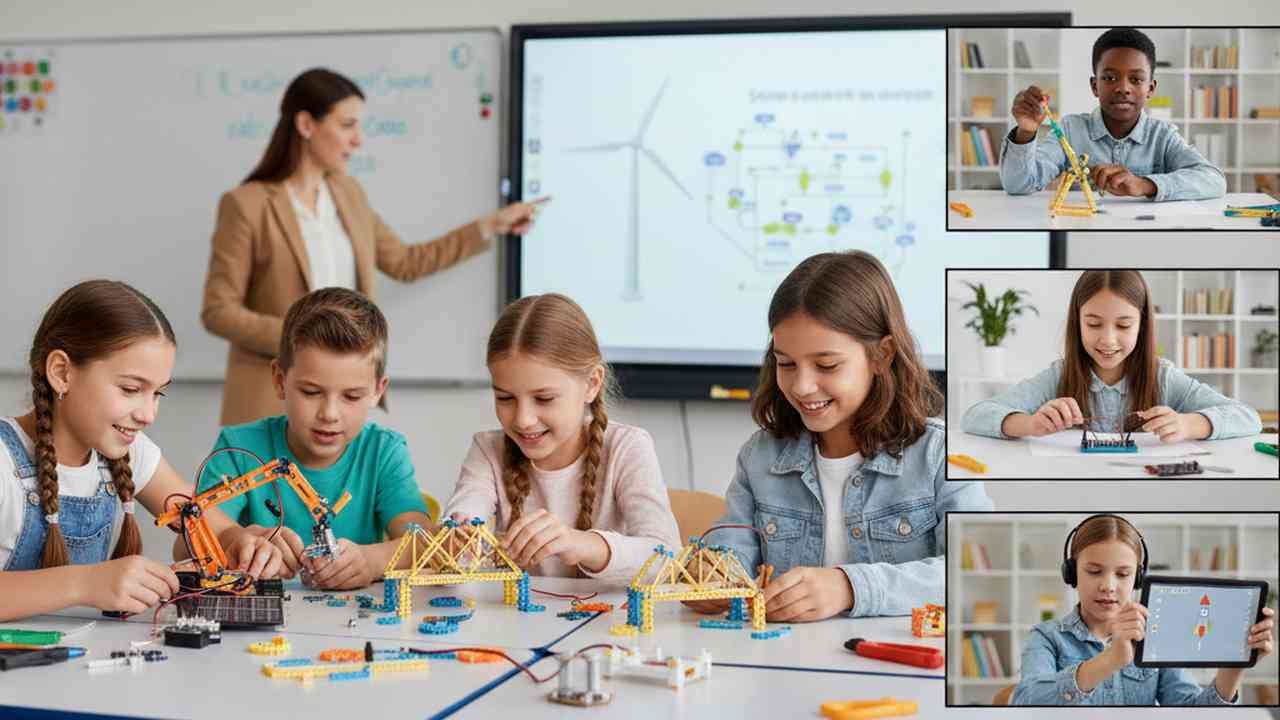
In the ever-evolving landscape of education, the integration of STEM (Science, Technology, Engineering, and Mathematics) project kits into both classroom and remote learning environments has become more than just a trend – it is a necessity. These kits serve as powerful tools to bridge the gap between theoretical knowledge and practical application, fostering a deeper understanding and passion for STEM subjects among students. The urgency to adopt these resources is palpable, as educators and parents alike recognize the transformative impact they have on student engagement and learning outcomes.
However, the potential of these kits is often underutilized due to a lack of awareness or understanding of how to effectively incorporate them into various learning settings. This article delves into the multifaceted benefits of STEM project kits, offering actionable strategies for their integration into both traditional and remote classrooms. Moreover, we will explore how leveraging platforms like Minecraft Education Edition can enhance the learning experience, providing students with immersive and interactive opportunities to apply their knowledge.
As we navigate through this discussion, it becomes evident that the integration of STEM project kits is not merely an optional enhancement but a critical component in preparing students for the challenges of the future. The urgency to embrace these tools is underscored by the rapid advancements in technology and the increasing demand for a workforce proficient in STEM disciplines. Therefore, educators and parents must act swiftly to incorporate these resources into their teaching methodologies, ensuring that students are equipped with the necessary skills and knowledge to thrive in an increasingly complex world.
The Importance of STEM Education in Today’s World
In today’s rapidly advancing world, the significance of STEM education cannot be overstated. As technology continues to permeate every facet of our lives, the need for individuals proficient in science, technology, engineering, and mathematics has surged. STEM education equips students with critical thinking, problem-solving, and analytical skills, preparing them to navigate and contribute to a technology-driven society. The urgency to prioritize STEM education is further amplified by the increasing demand for a workforce adept in these disciplines, making it imperative for educational institutions to integrate STEM-focused curricula and resources.
STEM project kits play a pivotal role in this educational paradigm by providing hands-on experiences that reinforce theoretical concepts. These kits offer students the opportunity to engage in practical applications of their learning, fostering a deeper understanding and retention of STEM principles. By incorporating these kits into the classroom, educators can create an interactive learning environment that stimulates curiosity and innovation. The integration of STEM project kits is not just a supplementary activity but a fundamental approach to enhancing STEM education and preparing students for future challenges.
Benefits of Integrating STEM Project Kits
The integration of STEM project kits into educational settings offers a multitude of benefits that extend beyond the acquisition of technical knowledge. These kits promote active learning, encouraging students to engage directly with the material and develop a hands-on understanding of complex concepts. This experiential learning approach not only enhances comprehension but also cultivates critical thinking and problem-solving skills, which are essential in today’s dynamic world.
Furthermore, STEM project kits foster creativity and innovation by challenging students to design, build, and iterate on their projects. This process nurtures a growth mindset, where students learn to view challenges as opportunities for learning and development. The collaborative nature of many STEM projects also promotes teamwork and communication skills, preparing students to work effectively in diverse and interdisciplinary teams.
Incorporating these kits into both classroom and remote learning environments ensures that students have access to equitable learning opportunities. Whether in a traditional classroom or participating remotely, students can engage with the material in meaningful ways, bridging the gap between different learning settings. The versatility and adaptability of STEM project kits make them an invaluable resource in modern education, offering a comprehensive approach to learning that prepares students for the complexities of the future.
Strategies for Classroom Integration
Integrating STEM project kits into the classroom requires thoughtful planning and execution to maximize their effectiveness. One effective strategy is to align the projects with the existing curriculum, ensuring that the activities complement and reinforce the concepts being taught. This alignment allows students to see the real-world applications of their learning, enhancing their understanding and interest in the subject matter.
Another approach is to incorporate project-based learning, where students work on extended projects over a period of time. This method encourages deep engagement with the material, promotes critical thinking, and allows students to develop a range of skills, including research, design, and presentation. By providing students with the autonomy to explore and create, educators can foster a sense of ownership and motivation in their learning journey.
Additionally, leveraging technology can enhance the integration of STEM project kits in the classroom. Tools such as digital simulations, online collaboration platforms, and educational software can supplement hands-on activities, providing students with a multifaceted learning experience. The combination of physical and digital resources caters to diverse learning styles and ensures that all students have the opportunity to succeed.
Adapting STEM Kits for Remote Learning
The shift to remote learning has presented unique challenges in maintaining student engagement and ensuring effective learning experiences. However, STEM project kits offer a viable solution to these challenges by providing students with tangible materials to work with at home. To adapt these kits for remote learning, educators can design projects that are feasible to complete with minimal resources, ensuring that all students have access to the necessary materials.
Clear instructions and guidance are essential in remote learning environments. Educators should provide detailed instructions, video tutorials, and virtual support to assist students in completing their projects. Regular check-ins and feedback sessions can also help maintain student motivation and address any challenges they may encounter during the project.
Furthermore, fostering a sense of community among remote learners is crucial. Virtual collaboration tools, online discussion forums, and group projects can facilitate interaction and teamwork, combating the isolation that can occur in remote learning settings. By creating opportunities for students to collaborate and share their experiences, educators can enhance the learning experience and build a supportive learning community.
Enhancing STEM Learning with Minecraft Education Edition
One innovative way to enhance STEM learning is through the use of Minecraft Education Edition. This platform offers a unique, interactive environment where students can explore and apply STEM concepts in a virtual world. By integrating Minecraft into STEM education, educators can provide students with engaging and immersive learning experiences that stimulate creativity and problem-solving skills.
The platform offers a range of features tailored for educational purposes, including lesson plans, coding challenges, and collaborative projects. Students can engage in activities such as building structures, coding robots, and conducting virtual experiments, all within the Minecraft universe. These activities not only reinforce STEM concepts but also promote collaboration, critical thinking, and digital literacy.
Moreover, Minecraft Education Edition supports cross-curricular learning, allowing students to explore connections between STEM subjects and other areas such as history, art, and language arts. This interdisciplinary approach fosters a holistic understanding of the world and encourages students to make connections between different fields of knowledge.
Implementing Minecraft Education Hacks to Maximize Learning
To fully leverage the potential of Minecraft Education Edition, educators and students can explore various hacks and strategies that enhance the learning experience. These hacks can include custom coding challenges, unique world-building projects, and specialized mods that introduce new gameplay elements aligned with educational objectives.
For instance, educators can create custom worlds that simulate real-world scenarios, allowing students to apply their STEM knowledge in solving complex problems. These scenarios can range from designing sustainable cities to exploring the human circulatory system, providing students with practical applications of their learning.
Additionally, incorporating coding challenges within Minecraft allows students to develop programming skills in a fun and engaging way. By creating their own mods or scripts, students can gain a deeper understanding of coding concepts and logic, preparing them for future endeavors in technology and engineering fields.
Furthermore, sharing these hacks and projects within the Minecraft Education community can foster collaboration and inspire innovation among students and educators alike. By exchanging ideas and resources, the educational community can collectively enhance the learning experience and continue to evolve with the changing educational landscape.
Overcoming Challenges in STEM Education Integration
Despite the numerous benefits, integrating STEM project kits into education systems presents several challenges. One significant hurdle is the disparity in access to resources, particularly in underfunded schools or remote areas. To address this issue, educators and policymakers must advocate for equitable distribution of resources, ensuring that all students have access to quality STEM education.
Another challenge is the need for professional development among educators. Teachers must be equipped with the knowledge and skills to effectively implement STEM curricula and utilize project kits. Ongoing training and support are essential in empowering educators to confidently integrate STEM education into their teaching practices.
Moreover, there is a need for continuous evaluation and adaptation of STEM programs to meet the evolving needs of students and the demands of the job market. Collaboration between educators, industry professionals, and policymakers can facilitate the development of relevant and up-to-date STEM curricula that prepare students for future careers in science and technology fields.
Conclusion: The Urgency of Integrating STEM Project Kits
The integration of STEM project kits into both classroom and remote learning environments is not merely an enhancement to education – it is a critical necessity. These kits provide students with hands-on experiences that bridge the gap between theory and practice, fostering a deeper understanding and passion for STEM subjects. The urgency to adopt these resources is underscored by the rapid advancements in technology and the increasing demand for a workforce proficient in STEM disciplines.
By strategically integrating STEM project kits and leveraging platforms like Minecraft Education Edition, educators can create dynamic and engaging learning experiences that prepare students for the challenges of the future. The time to act is now – delaying the adoption of these resources risks leaving students ill-prepared for the demands of an increasingly complex world. Embrace the power of STEM project kits and transform the learning experience for students today.
If you want to enhance your teaching methods, consider exploring Meta Title strategies that effectively integrate STEM kits into various learning environments.
If you want to explore how the Puritan education system laid the groundwork for modern collaborative learning, dive into these innovative STEM projects that enhance essential skills.