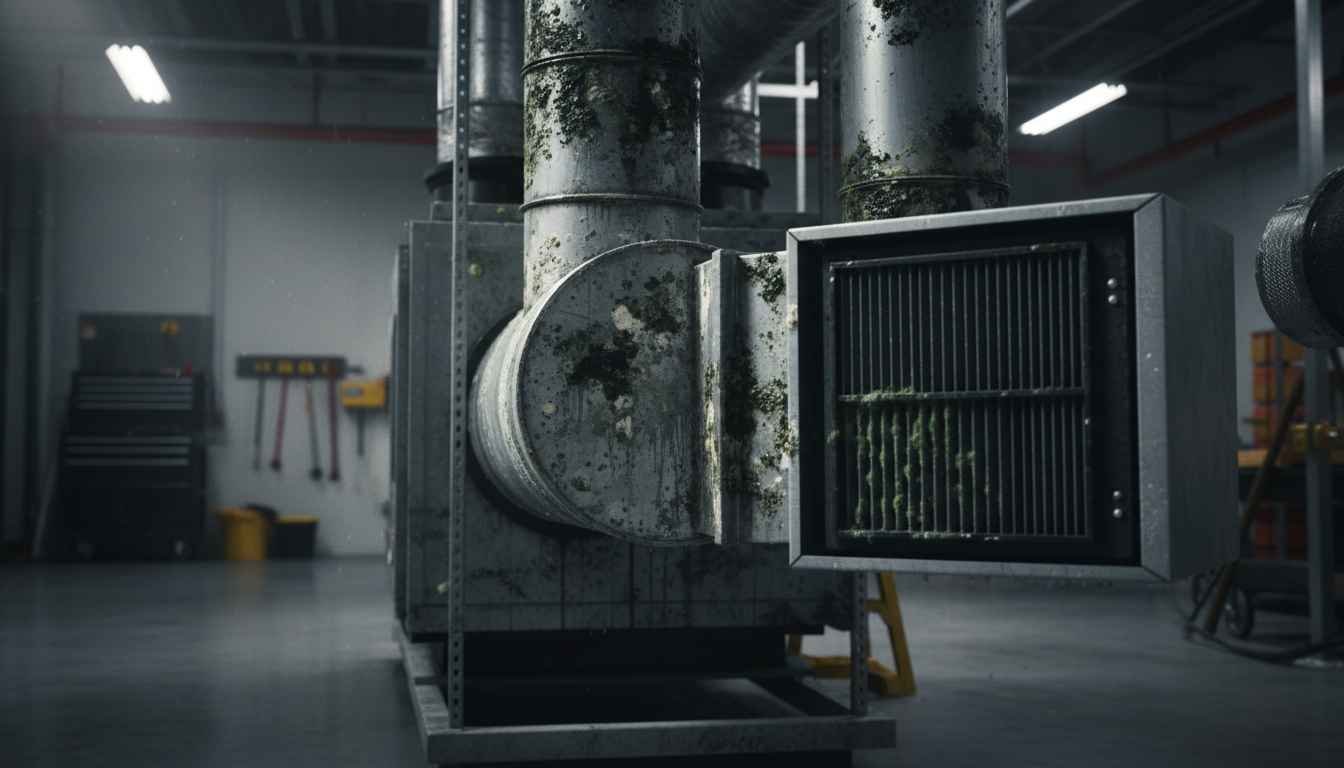
Let’s be honest for a second. Walking into a room that smells slightly musty or noticing a faint layer of dust on your vents is not just an inconvenience – it’s a quiet signal of biological growth lurking within your HVAC system. As someone who has spent years understanding aromas, textures, and the subtle complexities of heat and air flow, I can’t help but notice how HVAC systems, much like coffee beans left in a damp corner, can harbor microbial life if left unchecked. The interplay between warmth, moisture, and organic particles creates a breeding ground for bacteria, mold, and fungi that can quietly affect your environment.
The concept of biological growth in HVAC systems is deceptively simple yet complex in execution. It doesn’t happen overnight. Instead, it evolves gradually, influenced by humidity, temperature swings, and even the types of air filters in use. Residential and commercial systems alike are susceptible, and the consequences are more than just olfactory – they can affect air quality, health, and efficiency. Understanding the algorithm behind this growth can transform how you manage your HVAC system, much like understanding the roasting curve transforms how one approaches coffee brewing.
1. Moisture: The Prime Catalyst
Every HVAC system relies on moisture control, but excess condensation is often the culprit for microbial proliferation. In systems where cooling coils or drain pans are not regularly cleaned or monitored, water accumulation can occur. This creates a prime environment for bacteria, mold, and algae to flourish. Studies have shown that even a thin layer of standing water can harbor billions of bacterial cells in a matter of days. Controlling moisture is the first step in the biological growth algorithm, analogous to preventing water from compromising the integrity of freshly roasted beans.
2. Temperature and Airflow Dynamics
Temperature swings and airflow inconsistencies are subtle, yet they play a decisive role in microbial growth. Warm, stagnant areas of ductwork become incubators for fungi, while cooler, well-ventilated sections remain relatively inhospitable. HVAC professionals often note that poorly balanced systems exacerbate the problem. Efficient airflow disrupts potential colonies, while sluggish or blocked sections allow them to establish. Understanding how your system circulates air is crucial – think of it like maintaining an even roast; pockets of heat or cold create uneven development and unintended consequences.
3. Dust and Organic Particles as Fuel
Biological growth doesn’t feed on air alone. Dust, pet dander, and organic particles act as fuel for microbes, providing nutrients necessary for reproduction. Over time, these particles settle on coils, filters, and duct surfaces. Once moisture is present, this combination becomes an ideal substrate for growth. Regular filter changes and duct cleaning reduce this risk, similar to how careful sifting and sorting of coffee beans ensures a cleaner cup. The more organic matter your system accumulates, the higher the likelihood of unwanted microbial activity.
4. Identifying Signs of Growth
Spotting biological growth early can prevent larger problems. Musty odors, visible mold, and unexplained allergies are common indicators. In commercial spaces, it may manifest as fluctuating humidity or condensation patterns. HVAC technicians often recommend routine inspections to catch growth before it spreads. Just as a trained nose can detect off-notes in coffee, a keen eye – or nose – can identify early microbial signs in your system.
5. Preventative Measures and Maintenance
Prevention is the most effective part of the algorithm. Dehumidifiers, high-efficiency filters, and scheduled coil cleaning can drastically reduce microbial risks. Modern HVAC systems may include UV-C lights or antimicrobial coatings to actively combat growth. Ensuring proper drainage and airflow balance prevents the conditions microbes need to thrive. Homeowners and building managers who prioritize these measures not only extend the life of their systems but also protect indoor air quality. For detailed solutions and system recommendations, resources such as Lghvac provide comprehensive guidance tailored to residential and commercial setups.
6. Health Implications
While the average person may overlook microbial growth in ductwork, the health implications can be significant. Mold spores, bacterial fragments, and fungal metabolites can exacerbate allergies, asthma, and respiratory conditions. Studies suggest that long-term exposure to contaminated HVAC systems may correlate with chronic sinus infections and other respiratory sensitivities. Unlike the occasional bitter note in coffee, microbial exposure is insidious, gradually affecting occupants over time without immediate warning.
7. Remediation Strategies
Once growth has been identified, remediation must be strategic. Simple cleaning may not suffice; thorough disinfection and decontamination of coils, ductwork, and drain pans are often necessary. Chemical treatments, UV-C light installation, and filter upgrades can halt growth and prevent recurrence. It’s a methodical process, much like blending different coffee beans to achieve a consistent flavor profile. Understanding the lifecycle of microbial colonies informs the most effective remediation approach.
8. Potential Drawbacks and Who Should Avoid Aggressive Measures
Not all treatments are suitable for every system or occupant. Strong chemical disinfectants may produce fumes incompatible with sensitive populations. UV-C systems require careful installation to avoid harm, and over-cleaning can sometimes damage delicate components. For those with vintage or specialized HVAC units, professional guidance is critical to avoid unintended consequences. Awareness of these potential drawbacks ensures that mitigation efforts enhance, rather than compromise, overall system performance and safety.
9. Continuous Monitoring
Long-term control of biological growth requires ongoing vigilance. Sensors for humidity, temperature, and even microbial detection are increasingly used in commercial applications. In residential settings, routine visual inspections, filter replacements, and coil checks provide a practical monitoring strategy. This approach mirrors the continuous assessment used in coffee roasting, where minor variations are tracked to maintain consistency and quality. Monitoring transforms reactive maintenance into proactive care.
10. Lessons from Reflection
Reflecting on biological growth in HVAC systems, it becomes clear that these hidden processes are both inevitable and manageable. They are reminders that even the most controlled environments are subject to nature’s subtle influence. Like the aroma of a perfectly roasted coffee that lingers long after the cup is gone, microbial presence leaves traces that can impact experience, health, and comfort. Awareness, careful maintenance, and a respect for the underlying environmental dynamics ensure that indoor spaces remain clean, safe, and comfortable.
Understanding the algorithm of biological growth in HVAC systems is not merely technical – it’s almost philosophical. Warmth, moisture, nutrients, and time interact in predictable ways, yet the consequences are felt on an experiential level. By approaching HVAC maintenance with intentionality and reflection, you create not just a functional environment, but a space where air, like a well-crafted cup of coffee, nurtures rather than diminishes daily life.